




















Turmeric (Curcuma longa): Traditional Use, Research & Whole-Root Powder Explained

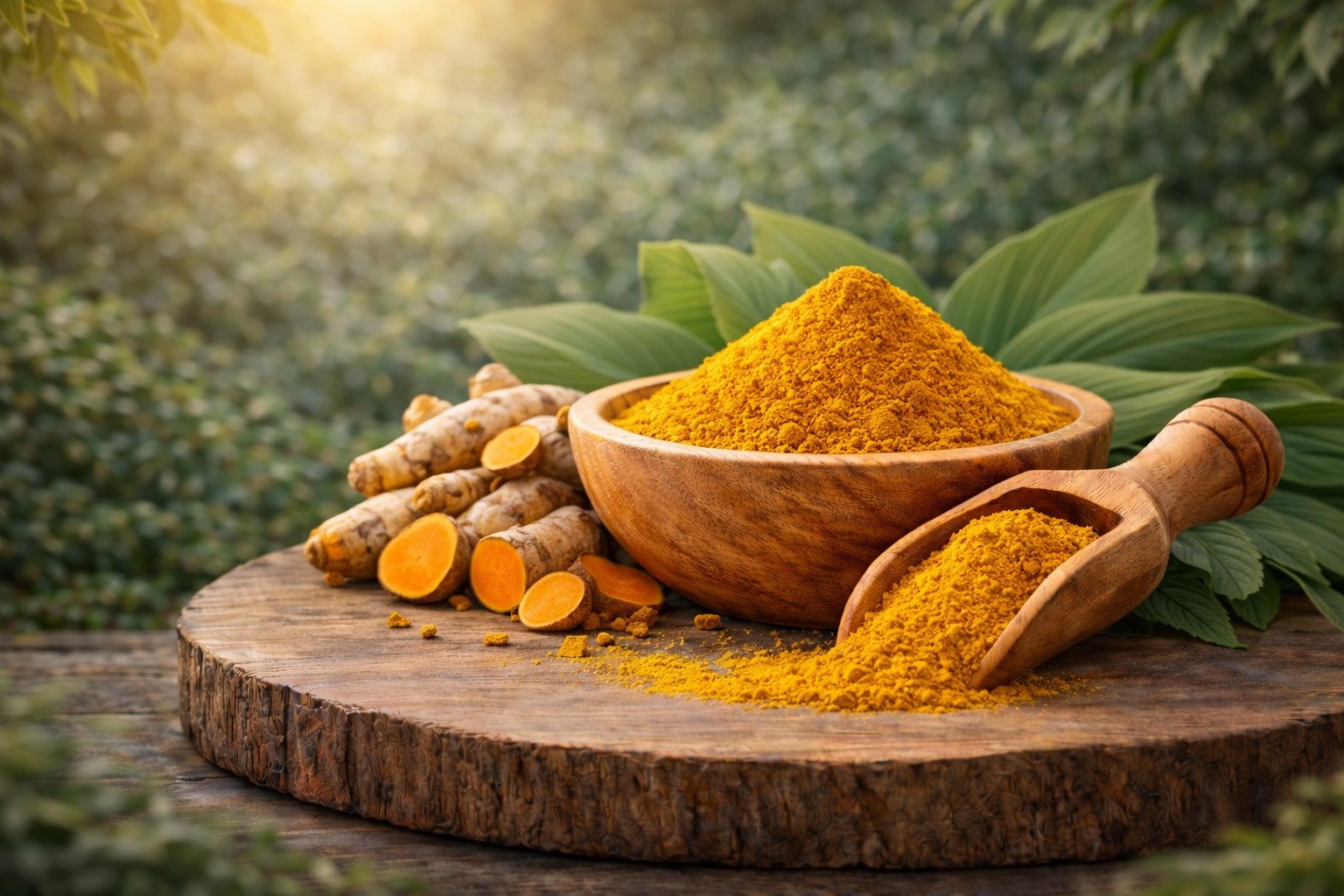
Turmeric, botanically known as Curcuma longa, is a rhizome widely used for centuries in Ayurveda, traditional diets, and daily cooking across India and Southeast Asia. Unlike many modern supplement narratives, turmeric has never been traditionally dependent on extracts. Its value lies in the entire root matrix, not curcumin alone.
This guide explains:
- What Turmeric is
- How it has been traditionally used
- What modern research actually studies
- Why organic whole turmeric powder is not inferior to extracts
This content is for educational purposes only and does not provide medical advice.
What Is Turmeric?
Turmeric is a rhizomatous root whose entire rhizome is used. Turmeric naturally contains:
- Curcuminoids (including curcumin)
- Volatile oils (turmerone, zingiberene)
- Polysaccharides
- Proteins and minerals
These compounds work together in synergy. Curcumin alone does not represent turmeric’s complete profile.
Traditional Use of Turmeric (Haldi)
In Ayurveda, Siddha, and traditional food systems, turmeric has been used as:
- A daily culinary spice
- A food-based wellness ingredient
- A seasonal and lifestyle botanical
- A long-term dietary component
Historically, turmeric has been consumed as:
- Fresh root
- Dried root powder
- Cooked with fats and spices
👉 Whole-root powder is the traditional standard.
What Modern Research Has Studied (Reality Check)
While modern marketing often highlights curcumin extracts, a large body of research still focuses on whole turmeric powder or turmeric preparations, especially in food and dietary contexts.
Whole Turmeric Research
A review in Journal of Medicinal Food discussed turmeric root powder and whole turmeric preparations in dietary studies.
Source: Gupta et al. (2013). J Med Food.
Food & Nutritional Studies
Research in Food Chemistry analyzed turmeric powder composition, including curcuminoids and volatile oils.
Source: Prasad & Aggarwal (2011). Food Chem.
Botanical Synergy Research
A review in Planta Medica emphasized that turmeric’s biological activity depends on multiple constituents, not curcumin alone.
Source: Hewlings & Kalman (2017). Planta Medica.
👉 Key Insight:
Extracting curcumin removes volatile oils and alters turmeric’s natural balance.
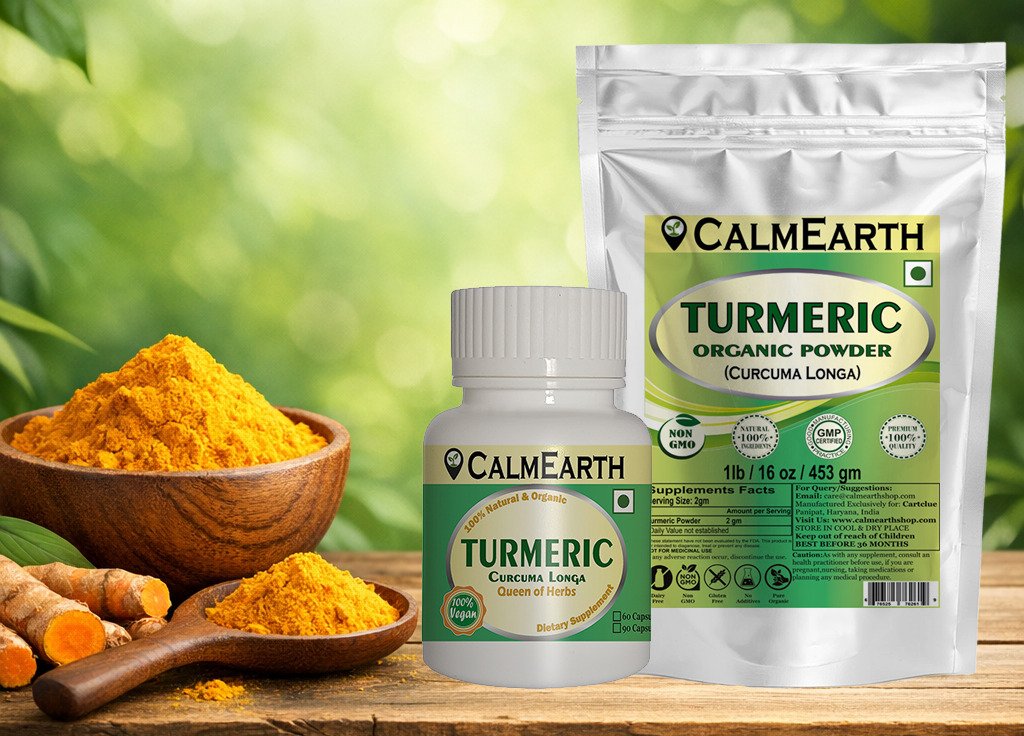
Turmeric Powder vs Curcumin Extract (Important Clarification)
Organic Turmeric Powder
- Full-spectrum root matrix
- Contains curcuminoids plus volatile oils
- Reflects culinary, traditional, and dietary use
- Suitable for long-term daily consumption
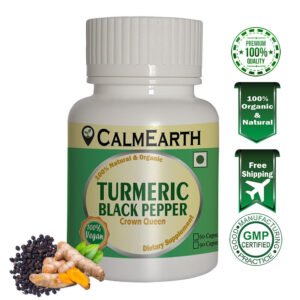
- 👉 View Turmeric Organic Powder
- 👉 View Turmeric Organic Capsule
Curcumin Extracts
- Isolate curcuminoids only
- Do not represent traditional turmeric use
- Often require additives (like piperine)
👉 Conclusion:
For turmeric, organic whole-root powder is the foundational and authentic form, not an inferior alternative.
Why Organic Matters for Turmeric
Turmeric is often consumed daily and in food-like quantities.
Organic turmeric powder ensures:
- No pesticide residues
- Cleaner volatile oil profile
- Better suitability for long-term use
Important Reminder
Scientific research studies turmeric in many contexts.
Retail dietary supplements are not evaluated the same way.
Final Thoughts
Turmeric (Curcuma longa) is best understood as a whole-root, food-based botanical, not a curcumin delivery system. Organic turmeric powder preserves the plant’s natural complexity and aligns with both traditional wisdom and modern research.
Compliance Disclaimer
This article is for educational purposes only.
It does not provide medical advice.
Dietary supplements are not intended to diagnose, treat, cure, or prevent any disease.