

























Bamboo Extract: Traditional Use, Research & Silica Standardization

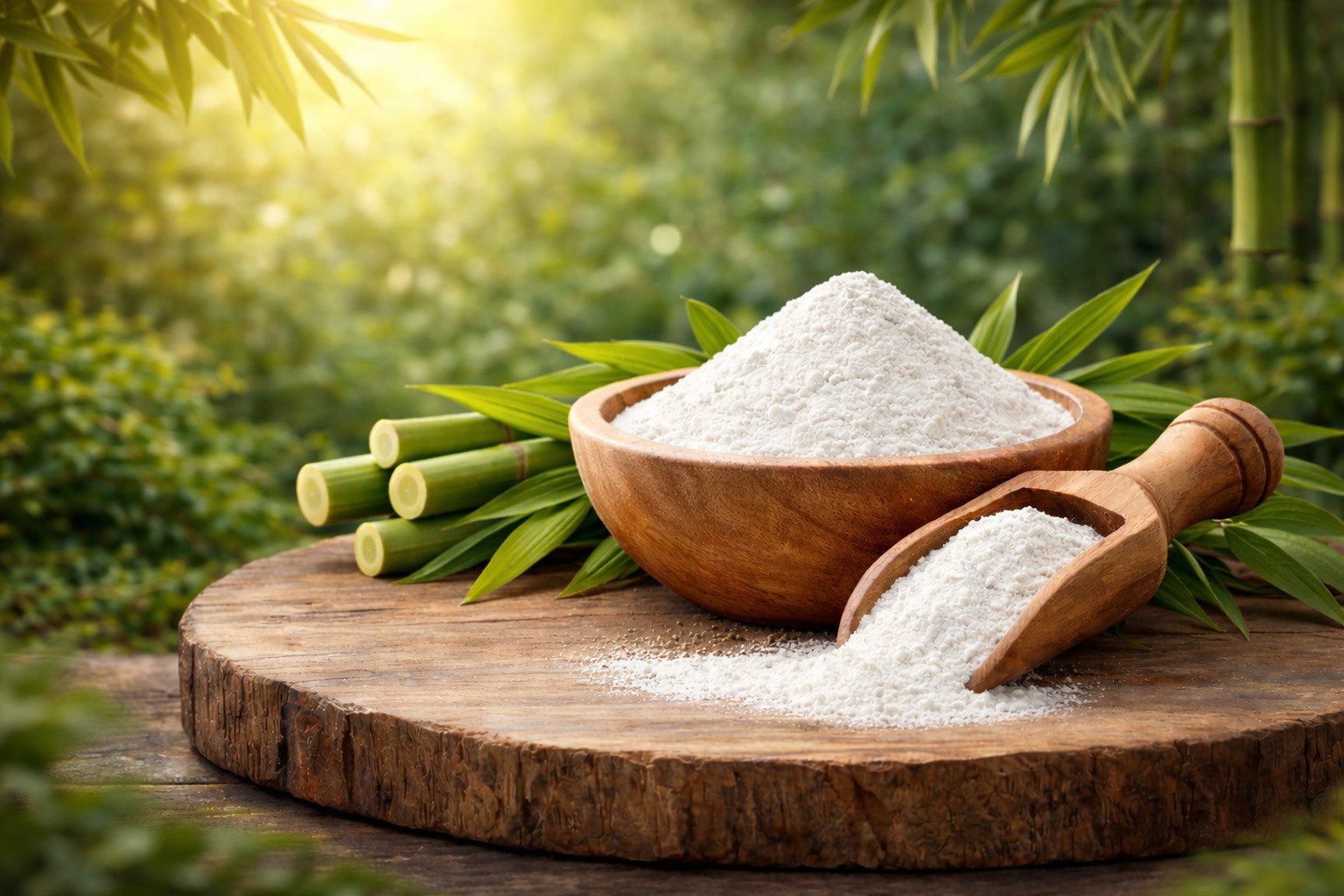
Bamboo extract is derived from selected species of bamboo plants, traditionally valued across Asia for their strength, resilience, and mineral-rich composition. In modern botanical and nutraceutical applications, bamboo extract is primarily standardized for silica (silicon dioxide), a naturally occurring mineral compound.
This guide explains:
- What bamboo extract is
- How bamboo has been traditionally used
- What modern research has studied
- Why silica standardization (70%) matters
This content is for educational purposes only and does not provide medical advice.
What Is Bamboo Extract?
Bamboo extract is produced from the stems or shoots of bamboo plants and concentrated to isolate naturally occurring minerals. Bamboo naturally contains:
- Silica (silicon dioxide)
- Trace minerals
- Polyphenols
- Fibrous plant compounds
Among these, silica is the primary compound measured and standardized in bamboo extracts.
Traditional Use of Bamboo
In traditional Asian systems, bamboo has been used in practices related to:
- Structural and strengthening traditions
- Mineral-rich plant preparations
- Traditional dietary and botanical formulations
- General wellness traditions
These historical uses contributed to modern interest in bamboo as a natural plant-based source of silica.
What Modern Research Has Studied
Modern research on bamboo focuses largely on its silica content and mineral composition.
Silica & Mineral Composition Research
A review published in Journal of Food Composition and Analysis examined mineral profiles of bamboo species, highlighting silica as a key component.
Source: Satya et al. (2010). J Food Comp Anal.
Botanical & Nutritional Studies
Research in Food Chemistry evaluated the bioavailability and composition of silica from plant sources, including bamboo extracts.
Source: Jugdaohsingh (2007). Food Chemistry.
Cosmetic & Nutraceutical Research
Studies in International Journal of Cosmetic Science discussed bamboo silica in cosmetic and nutraceutical formulations.
Source: Wickett et al. (2016). Int J Cosmetic Sci.
These studies were conducted under controlled conditions using standardized materials, not retail dietary supplements.
Bamboo Extract & Silica Standardization (70%)
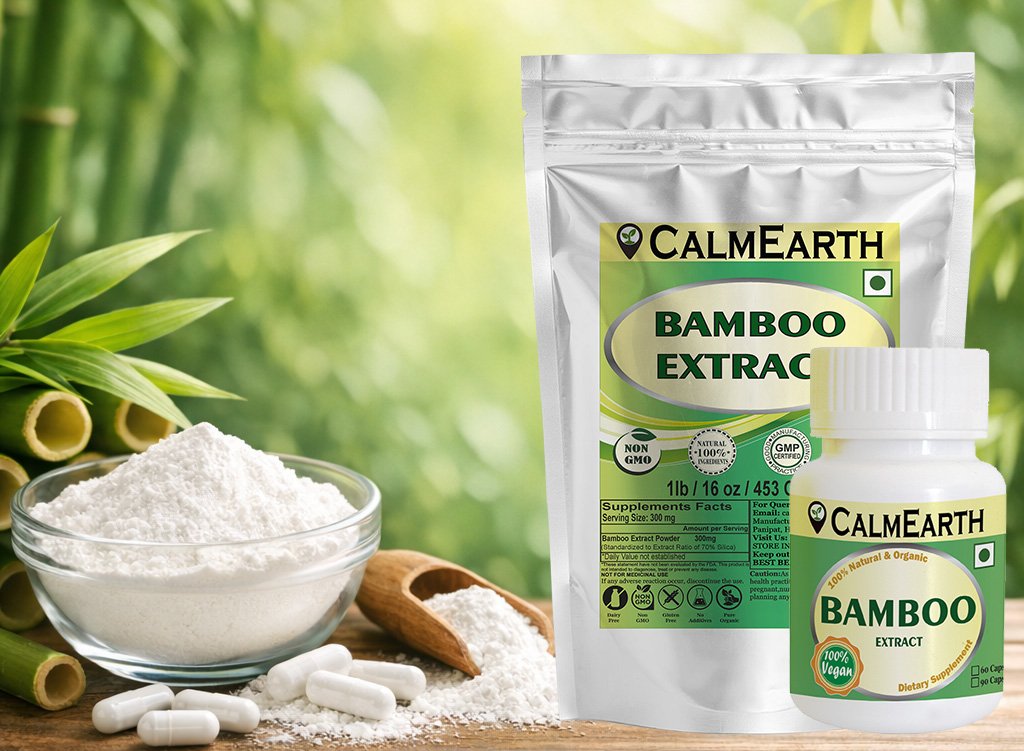
Bamboo extracts are commonly standardized to a high silica percentage, such as 70% silica.
Standardization allows:
- Measurement of silica content
- Batch-to-batch consistency
- Reliable formulation and comparison
- 👉 View Bamboo Extract Powder 70% Silica
- 👉 View Bamboo Extract Capsules 70% Silica
Why Standardization Matters
Most scientific and commercial applications of bamboo rely on silica-standardized extracts, not raw bamboo powder.
Standardization ensures:
- Consistent mineral composition
- Clear differentiation from non-standardized bamboo products
- Reliable use in formulations
Important Reminder
Scientific research studies botanical materials under controlled conditions.
Retail dietary supplements are not evaluated in the same way.
Final Thoughts
Bamboo extract remains one of the most concentrated plant-based sources of silica used worldwide. Standardized extracts with high silica content continue to be widely incorporated into traditional, cosmetic, and modern botanical formulations.
Compliance Disclaimer
This article is for educational purposes only.
It does not provide medical advice.
Dietary supplements are not intended to diagnose, treat, cure, or prevent any disease.