

























Ashwagandha, Ginger & Turmeric Capsules: Ayurvedic Use, Health Benefits & Why This Blend Works


Ashwagandha, Ginger, and Turmeric are three cornerstone herbs of Ayurveda, each used for centuries to support different systems of the body. When combined thoughtfully, they form a balanced, synergistic formulation that addresses vitality, digestion, inflammation, and overall resilience.
This article explains:
- Ayurvedic use and benefits of each herb
- How these herbs act on different body systems
- Why combining them enhances their effectiveness
- What modern research says
- Suggested serving guidance
This article is for educational purposes and does not replace medical advice.
Ayurveda’s Approach to Herbal Blends
Ayurveda rarely uses herbs in isolation. Instead, it focuses on:
- Synergy (Yogavahi concept)
- Balancing Vata, Pitta, and Kapha
- Supporting digestion (Agni) so herbs are properly utilized by the body
Ashwagandha, Ginger, and Turmeric are often combined because they:
- Work on different tissues (Dhatus)
- Support digestion, circulation, and rejuvenation
- Balance each other’s energetics
Ashwagandha (Withania somnifera)
Ayurvedic Role
Ashwagandha is classified as:
- Rasayana (rejuvenative tonic)
- Primarily pacifies Vata dosha
Traditional Uses in Ayurveda
Ashwagandha has been used for:
- Strengthening the nervous system
- Supporting physical and mental endurance
- Rejuvenation of muscles and tissues
- Supporting reproductive health in both men and women
It is traditionally used in:
- Chronic fatigue conditions
- Stress-related imbalances
- General weakness and debility
Modern Research Insights
Studies suggest Ashwagandha may support:
- Stress adaptation and cortisol regulation
- Sleep quality
- Muscle recovery and strength
References:
- Chandrasekhar et al., Indian Journal of Psychological Medicine (2012)
- Lopresti et al., Journal of Clinical Medicine (2019)
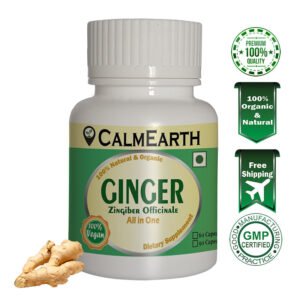
Ginger (Zingiber officinale)
Ayurvedic Role
Ginger is known as “Vishwabheshaja” — the universal medicine.
- Strongly stimulates Agni (digestive fire)
- Balances Vata and Kapha
- Enhances absorption of other herbs
Traditional Uses in Ayurveda
Ginger has been used for:
- Improving digestion and metabolism
- Reducing Ama (toxic buildup)
- Supporting joint comfort
- Enhancing circulation
Ginger is often added to formulations specifically to:
- Improve bioavailability
- Reduce heaviness of other herbs
Modern Research Insights
Research indicates ginger may help with:
- Digestive comfort
- Joint and muscle inflammation
- Nausea and gastric motility
References:
- Mashhadi et al., International Journal of Preventive Medicine (2013)
- Daily et al., Journal of Pain Medicine (2015)
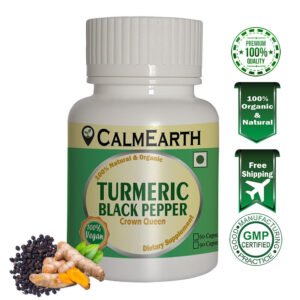
Turmeric (Curcuma longa)
Ayurvedic Role
Turmeric is known as Haridra and is:
- Tridoshic (balances all three doshas)
- Particularly effective for Pitta and Kapha
Traditional Uses in Ayurveda
Turmeric has been used for:
- Supporting liver function
- Purifying blood (Rakta Shodhana)
- Supporting joints and mobility
- Maintaining skin and immune health
It is traditionally consumed daily in food and herbal preparations.
Modern Research Insights
Curcumin and whole turmeric have been studied for:
- Anti-inflammatory activity
- Antioxidant support
- Joint and metabolic health
References:
- Hewlings & Kalman, Foods (2017)
- Gupta et al., Journal of Traditional and Complementary Medicine (2013)
Why This Combination Works Better Together
Ayurvedic Synergy Explained
| Herb | Primary Role |
|---|---|
| Ashwagandha | Rejuvenation, strength, nervous system |
| Ginger | Digestion, circulation, bioavailability |
| Turmeric | Inflammation balance, detox support |
Why the blend is effective:
- Ginger enhances digestion and absorption of Ashwagandha and Turmeric
- Turmeric balances inflammation that can block tissue nourishment
- Ashwagandha supports long-term restoration and resilience
This makes the blend suitable for:
- Modern stressful lifestyles
- Sedentary routines
- Long-term daily use
Benefits of Ashwagandha, Ginger & Turmeric Capsules
When used as a blended capsule, this formulation may support:
- Stress and nervous system balance
- Digestive efficiency
- Joint and muscle comfort
- Inflammatory balance
- Overall vitality and stamina
Capsules also:
- Ensure consistent daily intake
- Avoid strong taste of raw powders
- Provide precise herbal ratios
- 👉 View Ashwagandha, Ginger & Turmeric Capsules
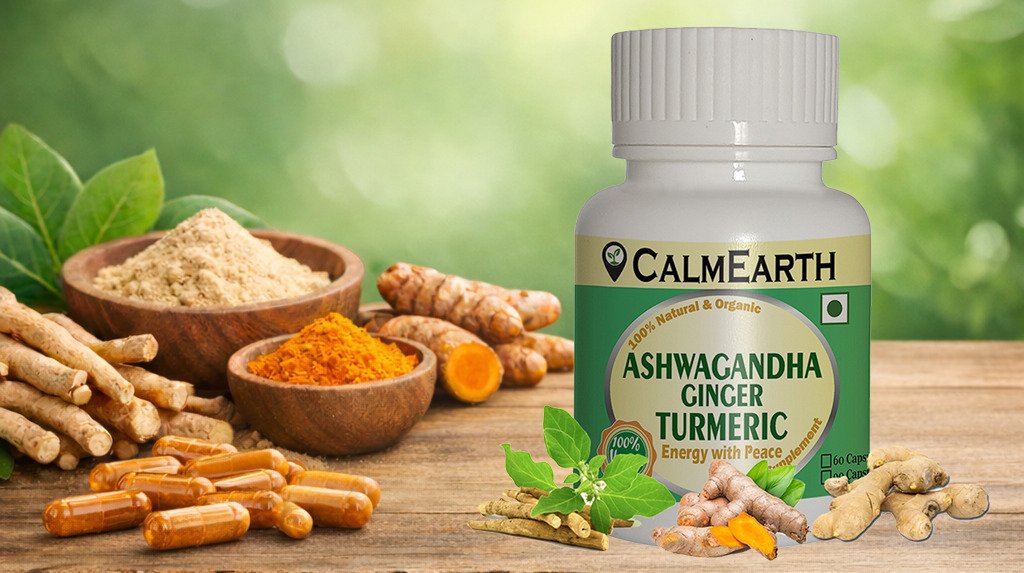
Formula Overview (Per Capsule)
Total: 500 mg
- Ashwagandha Root Powder – 200 mg
- Ginger Root Powder – 100 mg
- Turmeric Root Powder – 200 mg
All ingredients are whole powders, not extracts.
Suggested Serving (General Guidance)
- 1–2 capsules per day
- Best taken with meals
- Can be used long-term as part of a wellness routine
Always consult a healthcare professional if pregnant, nursing, or under medical treatment.
Final Thoughts
Ashwagandha, Ginger, and Turmeric form a classically aligned Ayurvedic blend that supports digestion, resilience, and systemic balance. By combining these herbs in whole-powder form, the formulation respects traditional wisdom while fitting modern lifestyles through capsule convenience.
Compliance Disclaimer
This article is for educational purposes only.
It does not diagnose, treat, cure, or prevent any disease.
Always consult a qualified healthcare professional for medical advice.