








Chanca Piedra (Phyllanthus niruri): Traditional Use & Why Whole-Plant Powder Matters

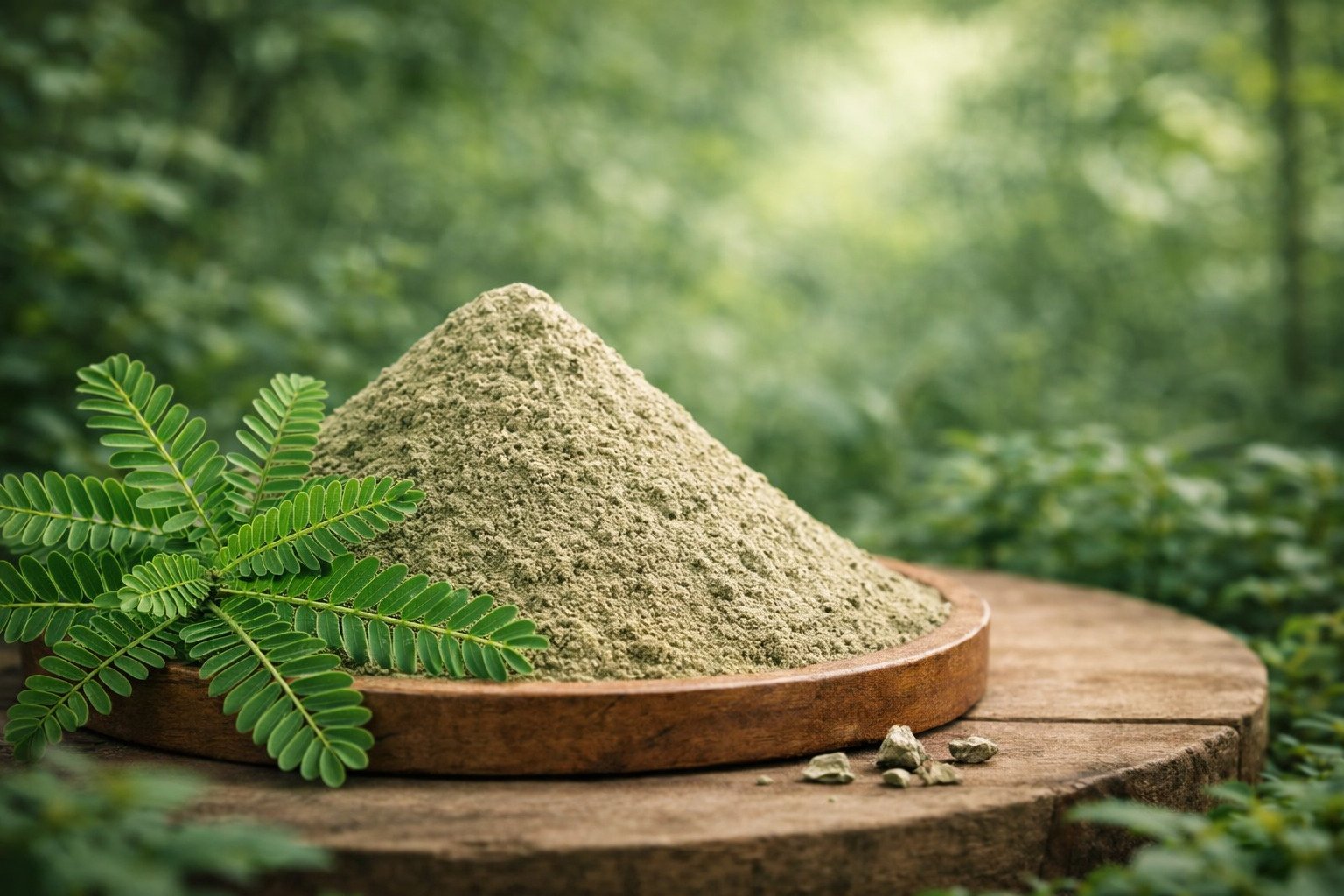
Chanca Piedra Organic Powder, botanically known as Phyllanthus niruri, is a small herb traditionally used across India, South America, and Southeast Asia. In classical herbal systems, the entire aerial plant—leaves, stems, and small fruits—has been used in powders, decoctions, and infusions.
Unlike many modern supplement narratives, Chanca Piedra is not traditionally extract-dependent. Its value lies in whole-plant synergy, not isolated compounds.
This guide explains:
- What Chanca Piedra is
- How it has been traditionally used
- What modern research focuses on
- Why organic whole-plant powder is not inferior to extracts
🌿 Shop the CalmEarth range → Browse our Everyday Wellness collection and discover more from our full herbal range.
This content is for educational purposes only and does not provide medical advice.
What Is Chanca Piedra?
Chanca Piedra is a low-growing herb belonging to the Phyllanthus genus. Traditional systems use the entire above-ground plant, not just a single part.
Naturally occurring compounds include:
- Lignans
- Flavonoids
- Tannins
- Polyphenols
- Alkaloids
These compounds act together within the whole plant, forming a balanced phytochemical profile.
Traditional Use of Chanca Piedra
In Ayurveda, Amazonian herbal traditions, and folk medicine, Chanca Piedra has been used as:
- A whole-plant decoction
- Dried whole-herb powder
- Long-term, low-dose botanical use
- Seasonal herbal preparations
Historically, Chanca Piedra has been prepared as:
- Fresh plant infusions
- Dried whole-plant powder
- Water-based decoctions
👉 Whole-plant use is the traditional standard.
What Modern Research Has Studied
Modern research on Phyllanthus niruri often evaluates whole-plant preparations or broad extracts, emphasizing multi-compound activity, not single isolated markers.
Whole-Plant & Phytochemical Research
A review in Journal of Ethnopharmacology examined Phyllanthus niruri and emphasized the importance of whole-plant phytochemistry.
Source: Calixto et al. (1998). J Ethnopharmacol.
Traditional & Botanical Reviews
Research in Phytotherapy Research discussed traditional uses and whole-plant preparations of Phyllanthus species.
Source: Bagalkotkar et al. (2006). Phytother Res.
Herbal Systems Research
A review in Journal of Herbal Medicine highlighted Phyllanthus niruri as a classical whole-plant herb in traditional systems.
Source: Patel et al. (2011). J Herb Med.
👉 Key Insight:
Research supports whole-plant complexity, not extract isolation.
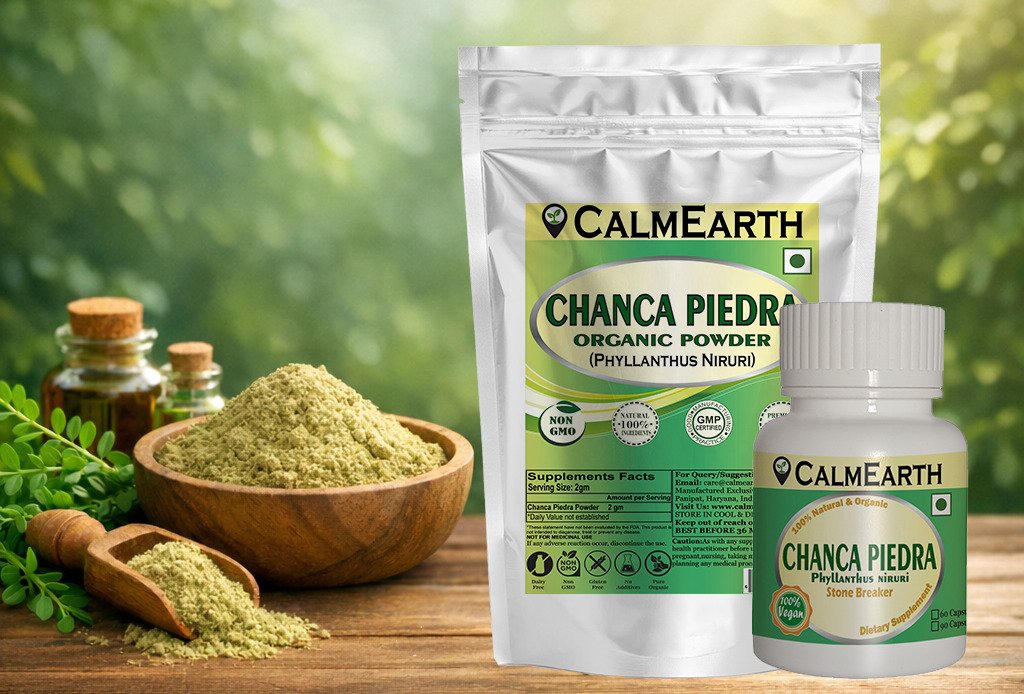
Chanca Piedra Powder vs Extracts (Important Clarification)
Organic Chanca Piedra Whole-Plant Powder
- Uses the entire aerial herb
- Preserves natural compound balance
- Reflects traditional and research-aligned use
- Suitable for long-term herbal routines
- 👉 View Chanca Piedra Organic Powder
- 👉 View Chanca Piedra Organic Capsule
Chanca Piedra Extracts
- Concentrate selected compounds only
- Do not represent traditional preparations
- Alter the natural phytochemical balance
👉 Conclusion:
For Chanca Piedra, organic whole-plant powder is the authentic and preferred format, not an inferior alternative.
Why Organic Matters for Chanca Piedra
Chanca Piedra is often used:
- Regularly
- Over extended periods
Organic sourcing ensures:
- No pesticide residues
- Cleaner herbal profile
- Better alignment with traditional long-term use
Important Reminder
Scientific research studies herbs under controlled conditions.
Retail dietary supplements are not evaluated the same way.
Final Thoughts
Chanca Piedra (Phyllanthus niruri) is best respected as a whole-plant botanical, not an extract-driven supplement. Organic whole-plant powder preserves the herb’s natural integrity and aligns with both traditional knowledge and modern botanical research.
Compliance Disclaimer
This article is for educational purposes only.
It does not provide medical advice.
Dietary supplements are not intended to diagnose, treat, cure, or prevent any disease.